The Department of Pharmacology, Physiology, and Neurobiology encompasses a diverse research portfolio of basic and translational cardiovascular research. The cardiovascular biology investigators of the department utilize genetic animal models, advanced mouse surgery interventions, metabolic biology tools, and computational methods to study the pathophysiology of heart failure, as well as the signaling mechanisms related to heart, vascular, and skeletal muscle function in health and disease. Over the last decades our cardiovascular investigators have made seminal contributions in the areas of heart failure, arrythmias, diabetes, sepsis, ischemia, and aging, including cardiac injury and remodeling. Their research has revealed novel molecular mechanisms, including transcriptional regulation, regulation of electrical and mechanical pathways, calcium trafficking and ion channels properties, metabolic pathways, as well as the effects of the immune and the endocrine systems in cardiac and vascular function that may lead to new therapeutic treatments.
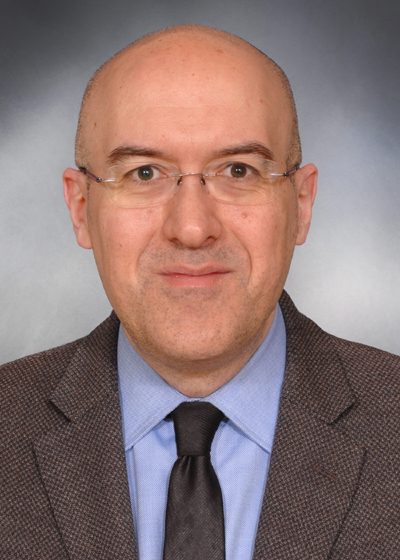
Our research investigates transcriptional regulation mechanisms that link cardiac stress with altered myocardial fatty acid and glucose metabolism.
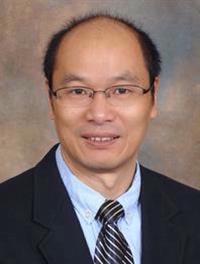
Our group investigates the molecular and cellular mechanisms underlying stress- and disease-induced cardiovascular remodeling.
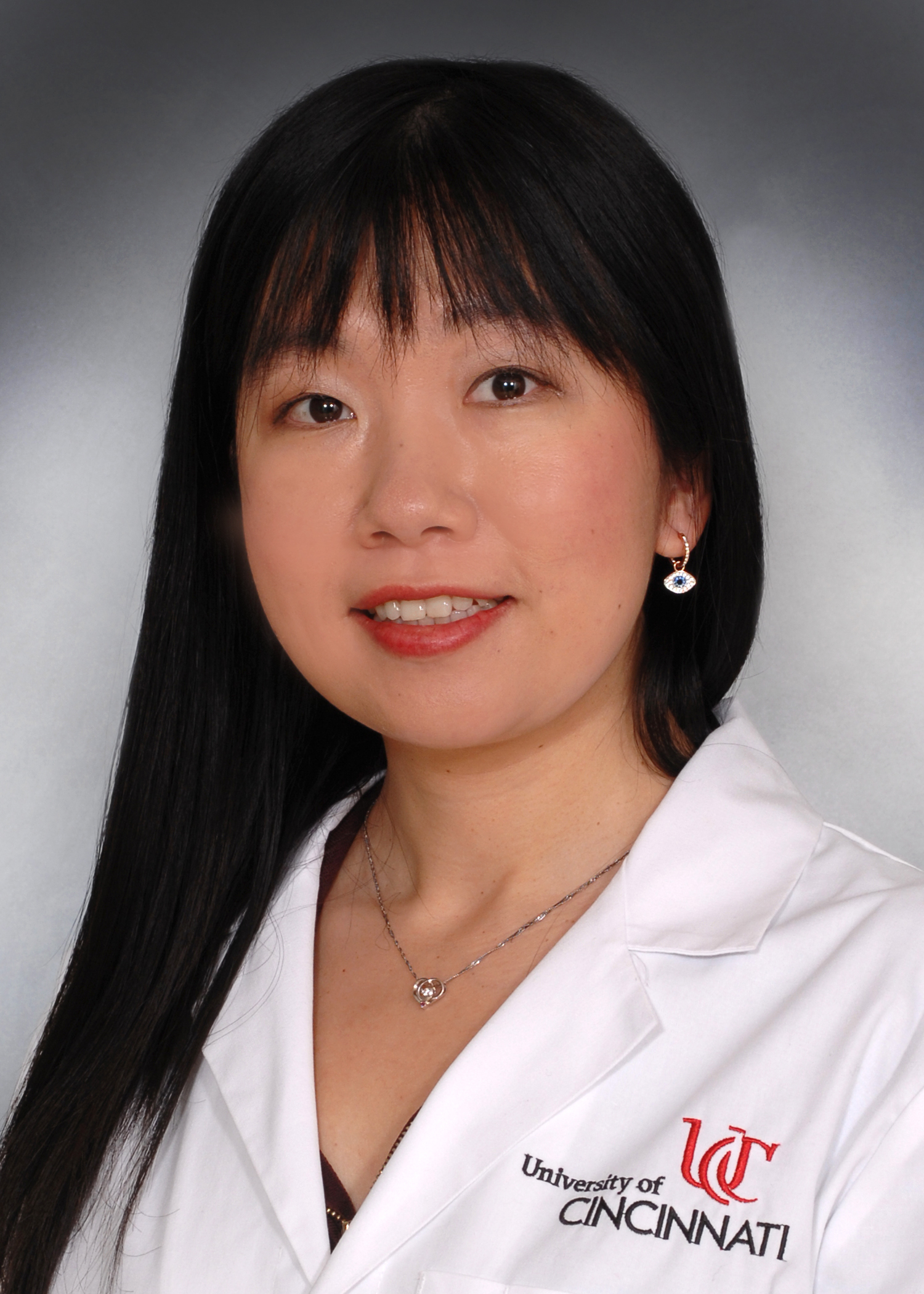
The Gao Lab is focused on uncovering novel molecular mechanisms for the pathogenesis of cardiac diseases, including cardiac hypertrophy, remodeling, and dysfunction.
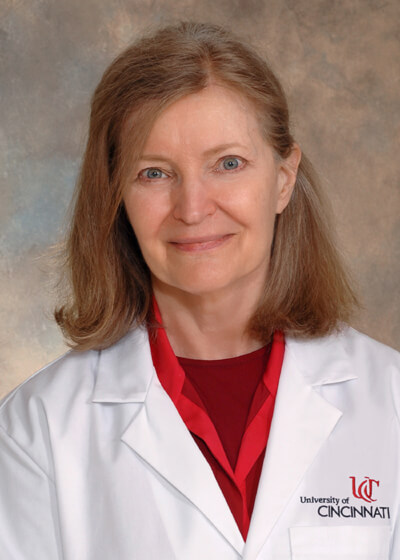
Our laboratory conducts basic research on muscle physiology at the molecular and cellular levels.
We are interested in how normal cardiac physiology is governed by various cardiac ion channels, and how cardiac electrical properties are altered in disease conditions or by environmental chemicals.
